2026-09-13 · Wyatt Sterling
Handling Frozen Pipe Failures in Older Englewood Neighborhoods
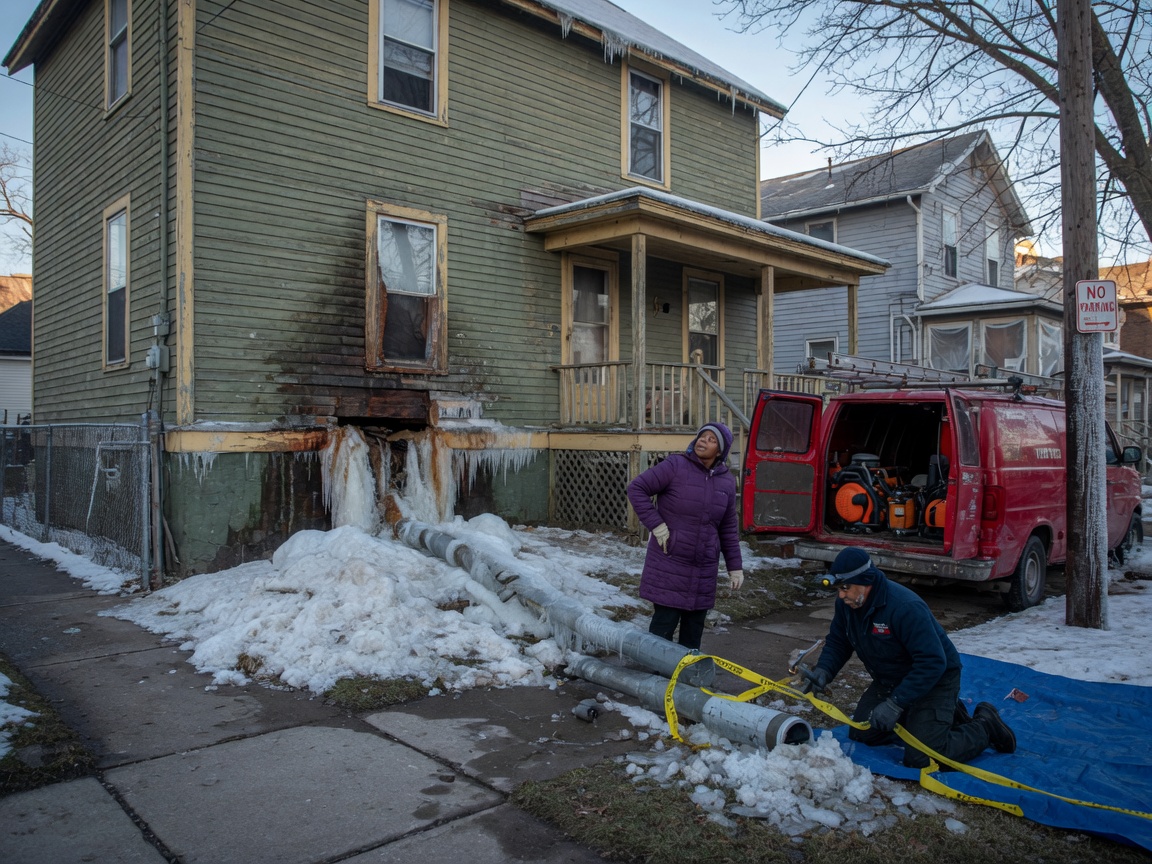
In older Englewood neighborhoods such as Downtown Englewood and Cushing Park, frozen pipe failures typically require immediate water shutoff followed by targeted drying within the first 24 to 48 hours to avoid widespread structural damage. Homes built before 1970 in these areas often feature galvanized steel or copper lines with limited insulation, and the semi-arid climate's cold winter snaps can freeze standing water in unheated crawl spaces or exterior walls facing north.
Recognizing Freeze Patterns in Local Housing Stock
Older homes near Englewood City Center and Belleview Park frequently have pipes routed through attics or exterior walls with minimal protection against the temperature swings common in Arapahoe County. Residents notice reduced flow at multiple fixtures first, followed by visible frost on accessible lines or bulging sections behind drywall. Checking under sinks in kitchens and bathrooms during the first hard freeze of the season reveals early ice formation before full blockage occurs. Terrain near the High Line Canal Corridor adds humidity that can accelerate condensation on cold pipes, turning minor freezing into bursts when temperatures rebound. Homeowners in Cushing Park report that south-facing additions from the 1950s and 1960s experience fewer incidents than original north-side plumbing runs.
First Response Actions After a Burst
Shut off the main water valve at the meter immediately and drain remaining pressure from faucets on all floors to reduce ongoing leakage. Open cabinet doors beneath sinks to promote airflow around pipes and move furniture or belongings away from affected walls to limit secondary saturation. Document visible water lines with photos before any cleanup begins, noting the location relative to Belleview Park or Downtown Englewood landmarks for restoration crews. Avoid using household fans that may spread moisture into drywall cavities; instead, focus on containing the water to the smallest footprint possible. Properties near Cherry Hills Village often share similar pipe layouts, so neighbors can compare experiences during the same cold front.
Drying and Repair Sequence
Once water is controlled, Emergency Water Removal crews extract standing water from floors and walls using extraction tools sized for residential volumes. Structural Drying follows with commercial dehumidifiers and air movers positioned to pull moisture from cavities without disturbing original plaster in pre-1960 homes. Pipe Burst Cleanup addresses the source line by isolating the damaged section and replacing it with modern PEX where feasible, preserving as much of the existing system as possible. Mold Remediation becomes necessary if moisture lingers beyond 48 hours in cellulose insulation common in Cushing Park basements. Technicians monitor moisture levels daily until readings return to the 10-12 percent range typical for Arapahoe County homes.
Long-Term Prevention in Cold Winters
Insulate exposed pipes in crawl spaces and attics with foam sleeves rated for 20-degree temperature drops that occur most winters. Install heat tape on vulnerable runs near exterior walls and set thermostats no lower than 55 degrees when homes are vacant during Denver cold snaps. Schedule annual inspections before November to identify low-flow fixtures that signal partial blockages. For homes near Littleton or Greenwood Village, adding shutoff valves at each fixture simplifies future isolation. Linking winter pipe care with Protecting Your Englewood Home from Spring Snowmelt Runoff helps owners address both freeze and thaw cycles in the same maintenance plan.