2026-09-13 · Wyatt Sterling
What Englewood Homeowners Should Check After a Summer Thunderstorm
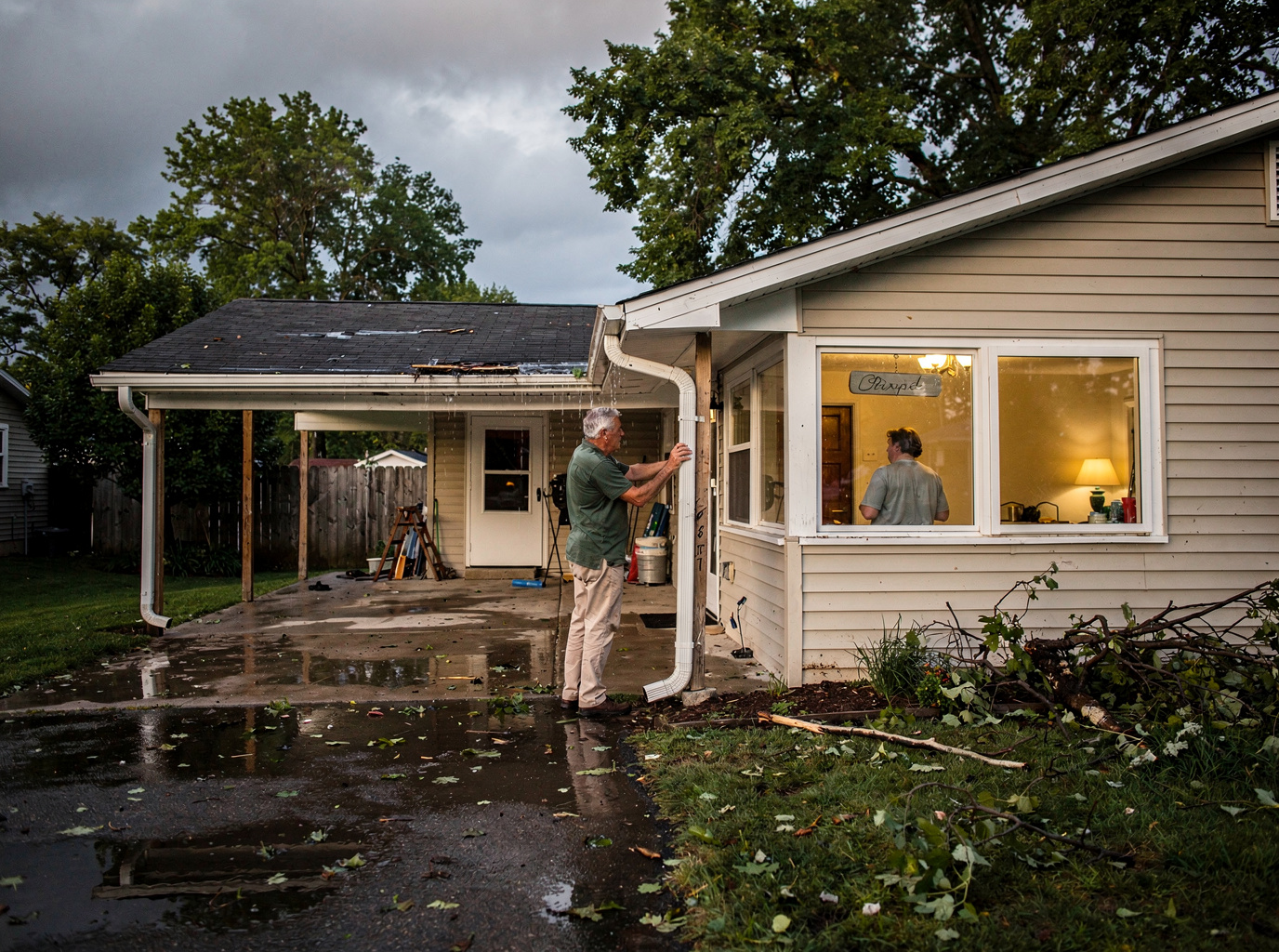
After a summer thunderstorm in Englewood, start by walking the perimeter and checking for pooled water within 24 hours, especially near Cushing Park and Belleview Park where drainage often backs up during intense downpours. Arapahoe County’s semi-arid conditions mean hard, dry soil sheds water quickly, sending it toward foundations in Downtown Englewood and older blocks near the Englewood City Center. Look for new cracks in stucco or siding, damp spots on basement walls, and debris in gutters that could trap moisture against the roofline.
Inspecting Roofs and Attics for Hidden Leaks
Thunderstorms often drop hail and wind-driven rain that damages asphalt shingles common on 1960s–1980s homes throughout Englewood. Climb a ladder or use binoculars to scan for missing granules, dented flashing around chimneys, and clogged downspouts that direct water under eaves. In the attic, shine a flashlight across rafters for dark streaks or soft insulation, paying extra attention after storms that follow the hot summer pattern typical in Arapahoe County. Check areas above bedrooms on the south and west sides, where afternoon storms hit hardest. If you find wet cellulose or compressed fiberglass, remove it promptly to prevent sagging ceilings. Homes near Littleton and Cherry Hills Village share similar roof pitches that funnel water toward valleys, so compare your findings with neighbors who experienced the same cell.
Checking Basements and Foundations
Many Englewood properties sit on clay-heavy soils that expand after sudden rain, pushing against older concrete foundations in neighborhoods around Cushing Park. Walk through the basement within a day of the storm and note any new seepage at floor-wall joints or around window wells. Use a moisture meter on drywall below grade; readings above 15 percent signal trapped water that needs extraction. In homes built before 1980 near the Englewood City Center, watch for efflorescence on walls that indicates repeated wicking from the semi-arid climate’s freeze-thaw cycles. Clear debris from French drains and window-well covers so future storms do not repeat the pattern. If water reaches electrical outlets or furnace bases, shut off power at the panel and document the height with photos for any later insurance claim.
Evaluating Interior Walls and Flooring
Water that enters through siding or roof edges often travels along joists into living spaces. Press on baseboards and drywall corners with a gloved hand; spongy texture or dark staining means the material has absorbed moisture. Lift a corner of carpet in affected rooms to inspect the pad, especially in ranch-style homes common near Belleview Park. Hardwood floors may cup or separate at seams when humidity spikes after a downpour. In kitchens and bathrooms, check under sinks and around dishwasher lines where older supply hoses can split under pressure from temperature swings between hot summer days and cooler nights. Note any musty odor that develops within 48 hours, as it points to hidden saturation in subfloors.
Monitoring Drainage and Grading Around the Property
Re-grade soil so it slopes away from the foundation at least six inches over the first ten feet, a common fix needed after storms overwhelm yards in Downtown Englewood. Clean out storm drains along streets near the Englewood City Center and make sure splash blocks direct roof water at least five feet from the house. Properties bordering the High Line Canal Corridor often see extra sheet flow during heavy cells, so install or extend downspout extensions before the next event. Watch low spots near driveways where water pools against garage slabs, a frequent issue in Arapahoe County’s flat terrain.
Related Seasonal Risks and Next Steps
The same drainage patterns that appear after summer storms also show up during spring snowmelt, so review the guidance in Protecting Your Englewood Home from Spring Snowmelt Runoff for overlapping prevention steps. If moisture persists beyond 72 hours or you find widespread saturation, contact a local team for Emergency Water Removal or Storm Damage Restoration before secondary issues develop. Keep records of every check date and photo so you can track patterns across multiple seasons in Englewood’s variable climate.